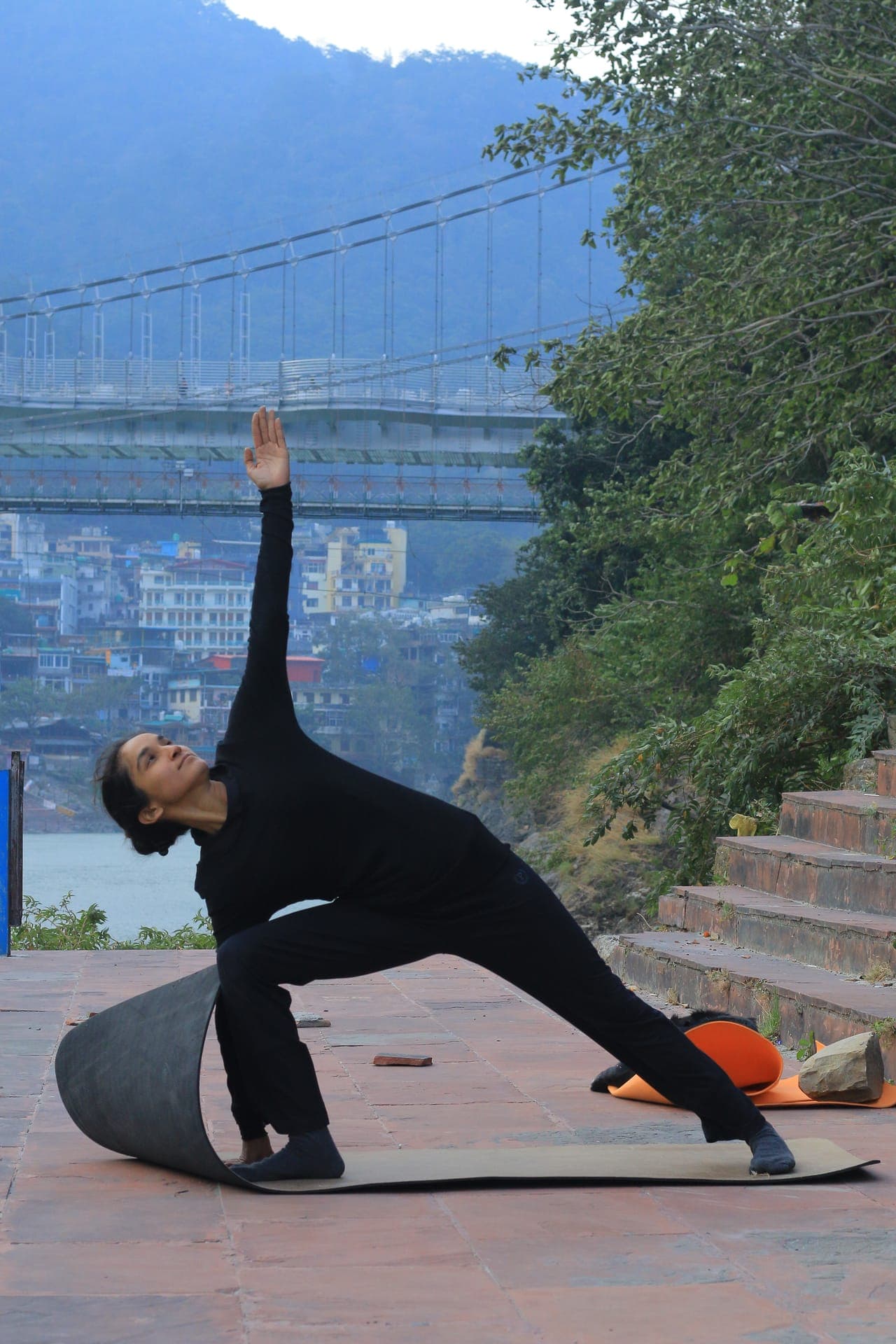
Yes, yoga is a good career — but only if you go in with realistic expectations and a plan. Globally, the yoga industry is worth over $130 billion and growing at roughly 9% per year. Full-time teachers in the US, UK, and Australia earn between $35,000 and $90,000; senior teachers running their own studio or training programmes earn well into six figures. In India, full-time teachers in metro cities earn ₹40,000 to ₹2,50,000 per month. The catch: the first three years are typically lean, the work is physically demanding, and the people who make it sustainable treat it like a small business, not a hobby that pays.
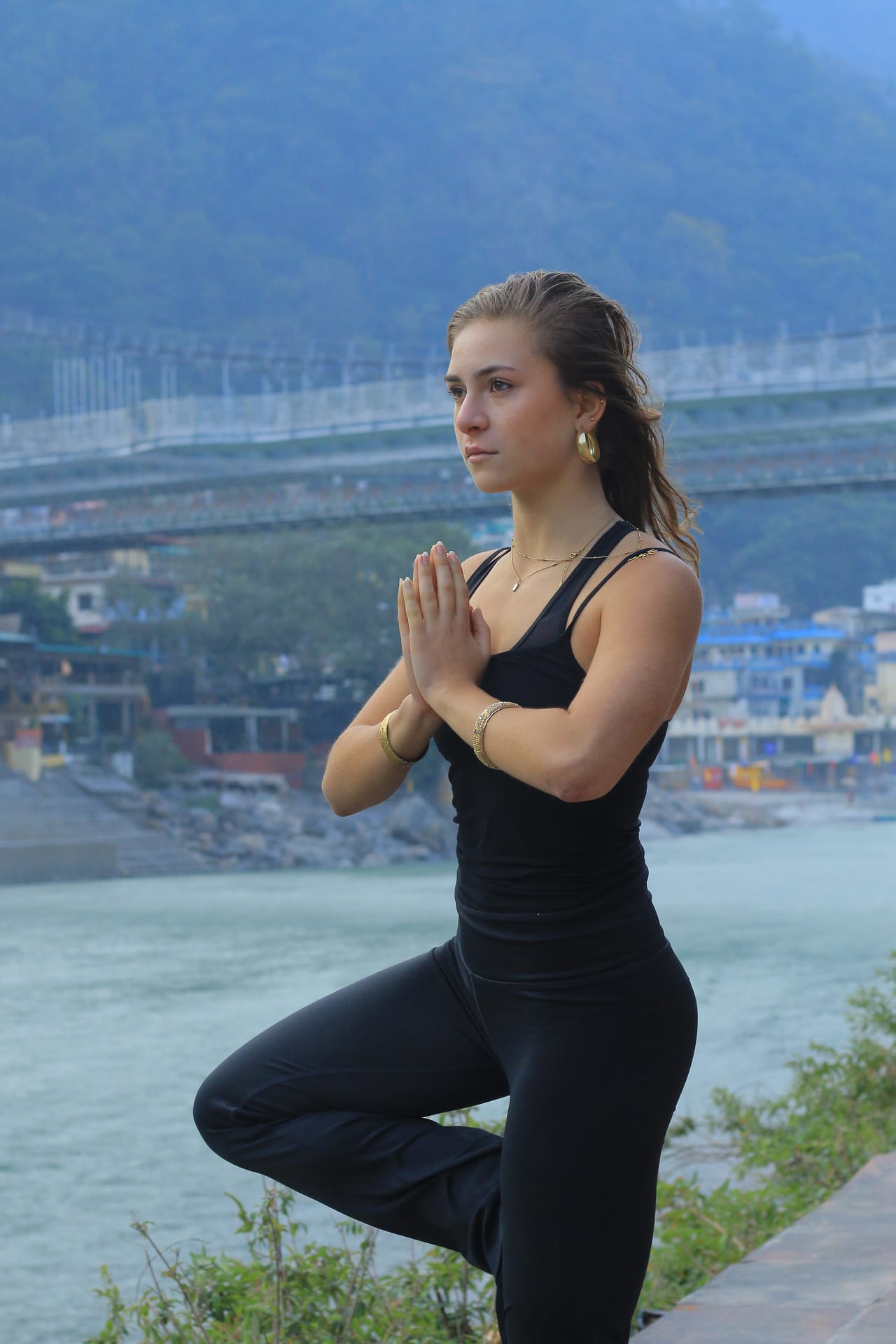
What a Yoga Career Actually Looks Like
Most full-time yoga teachers run a portfolio practice rather than a single salaried job. A common income mix:
- Studio classes — paid per class, typically $30-$80 in the West, ₹500-₹2,000 in India
- Private 1:1 sessions — $80-$200 per session in the West, ₹1,500-₹4,000 in India
- Corporate classes — $100-$250 per class for company wellness programmes
- Workshops and retreats — $150-$500 per workshop, multi-thousand-dollar retreat margins
- Online classes and content — subscription, YouTube, Patreon, course sales
- Teacher training assistance — paid contract work for established schools
The teachers earning $80,000+ are running 4-6 of these streams, not just teaching 25 studio classes a week.
Realistic Earnings by Career Stage
- Year 1 (post-200hr TTC) — ₹20,000-₹50,000/month in India, $15,000-$30,000/year in the West. Mostly building a class roster, often with a side income.
- Years 2-4 — ₹50,000-₹1,50,000/month in India, $30,000-$55,000/year in the West. Class roster stabilises, private clients accumulate.
- Years 5-10 — ₹1,00,000-₹3,00,000/month in India, $55,000-$95,000/year in the West. Workshops, retreats, perhaps a small studio.
- Years 10+ (specialist or studio owner) — uncapped. Teacher training programmes, advanced certifications, retreats, and online presence can produce strong six-figure incomes.

The Five Things That Determine Whether You Will Succeed
- The depth of your training. A 200-hour TTC qualifies you to teach. A further 300-hour, plus a specialty (aerial, prenatal, therapeutic), is what separates teachers students recommend from teachers students forget.
- How well you build a community. Your first 50 regular students will not come from social media. They will come from word-of-mouth and showing up consistently in one geography. Treat your first 18 months as community-building, not marketing.
- Your ability to teach beginners. 80% of paying yoga students are beginners or near-beginners. Teachers who only feel confident with advanced practitioners limit their income to one segment.
- Business basics. Pricing, scheduling, taxes, contracts, insurance. Most teachers ignore these for years and lose 20-40% of potential income.
- Personal practice. The students who keep coming back say it is because the teacher embodies the practice, not because the teacher is the most flexible person in the room. A daily personal sadhana is non-negotiable.
The Honest Downsides
- Income volatility. Class attendance fluctuates seasonally. December-January and June-August are typically slower in most markets.
- Physical wear. Demonstrating poses 4-6 times a day for 20 years takes a toll. Senior teachers learn to demonstrate sparingly.
- No employer benefits. Most yoga work is freelance — no health insurance, retirement contributions, or paid leave unless you build them yourself.
- The market is crowded. Most large cities are saturated with 200-hour graduates. Differentiation requires specialty training, niche positioning, or geographic relocation.
- Spiritual bypass risk. The industry attracts a lot of personal-development gloss that can substitute for genuine teaching skill. Stay grounded in classical practice and anatomy.
The Five-Year Career Roadmap We Recommend
- Year 1 — Complete a Yoga Alliance RYS 200 in Rishikesh or India. Begin teaching donation-based community classes to build a roster. See our 200-hour TTC, and read our full guide on how to become a certified yoga instructor.
- Year 2 — Add 2-3 paid weekly studio classes. Begin private clients. Take a specialty short course (50-100 hour) — aerial, yin, prenatal, or sound healing. See specialty options.
- Year 3 — Complete a 300-hour TTC. You can now register as RYT 500. Start running your own workshops.
- Year 4 — Run your first weekend or week-long retreat. Build a small online presence (YouTube, Instagram, or substack-style writing).
- Year 5 — Decide whether to open a studio, focus on retreats, or build an online programme. By now your income should match or exceed your pre-yoga career.
Frequently Asked Questions
Can I become a yoga teacher with no prior practice?
Yes, but plan for one year of regular practice (3+ classes per week) before enrolling in a 200-hour TTC. Going straight from no practice to teacher training is technically possible but produces a less competent teacher.
Is online yoga teaching a viable full-time career?
For a small percentage — yes. The vast majority of online teachers earn supplementary income, not a full income. The realistic path is in-person teaching with online as a complementary channel.
What is the best country to build a yoga career?
The US, Canada, UK, Australia, and Germany have the highest disposable income per yoga student. Within India, Mumbai, Delhi, Bangalore, and Goa offer the strongest income for serious teachers.
Start Your Yoga Career with a Yoga Alliance Certification
Our Rishikesh 200-hour and 500-hour TTCs are recognised in 70+ countries.
View 200-Hour TTC Meet the Teachers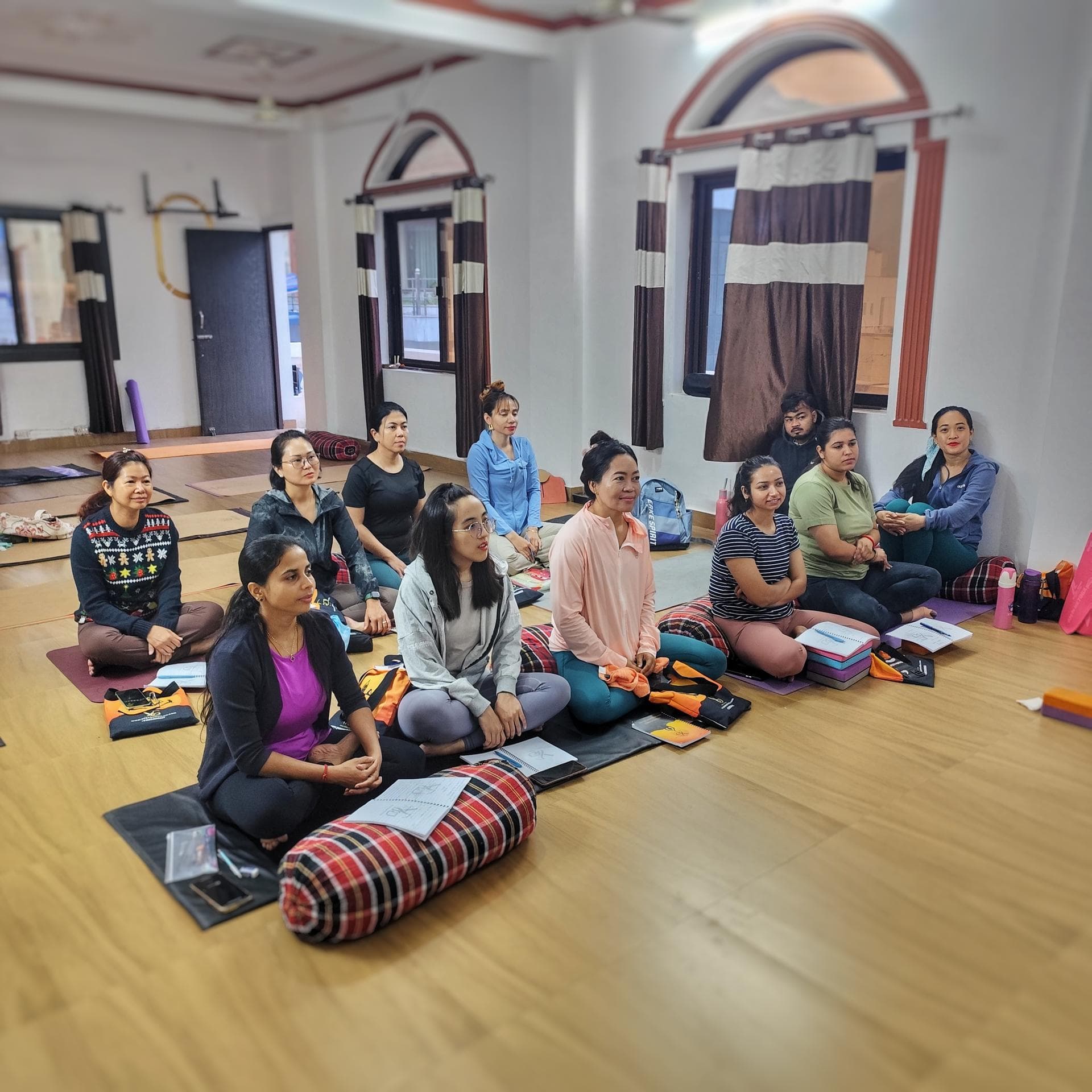
.JPG&w=1920&q=75)