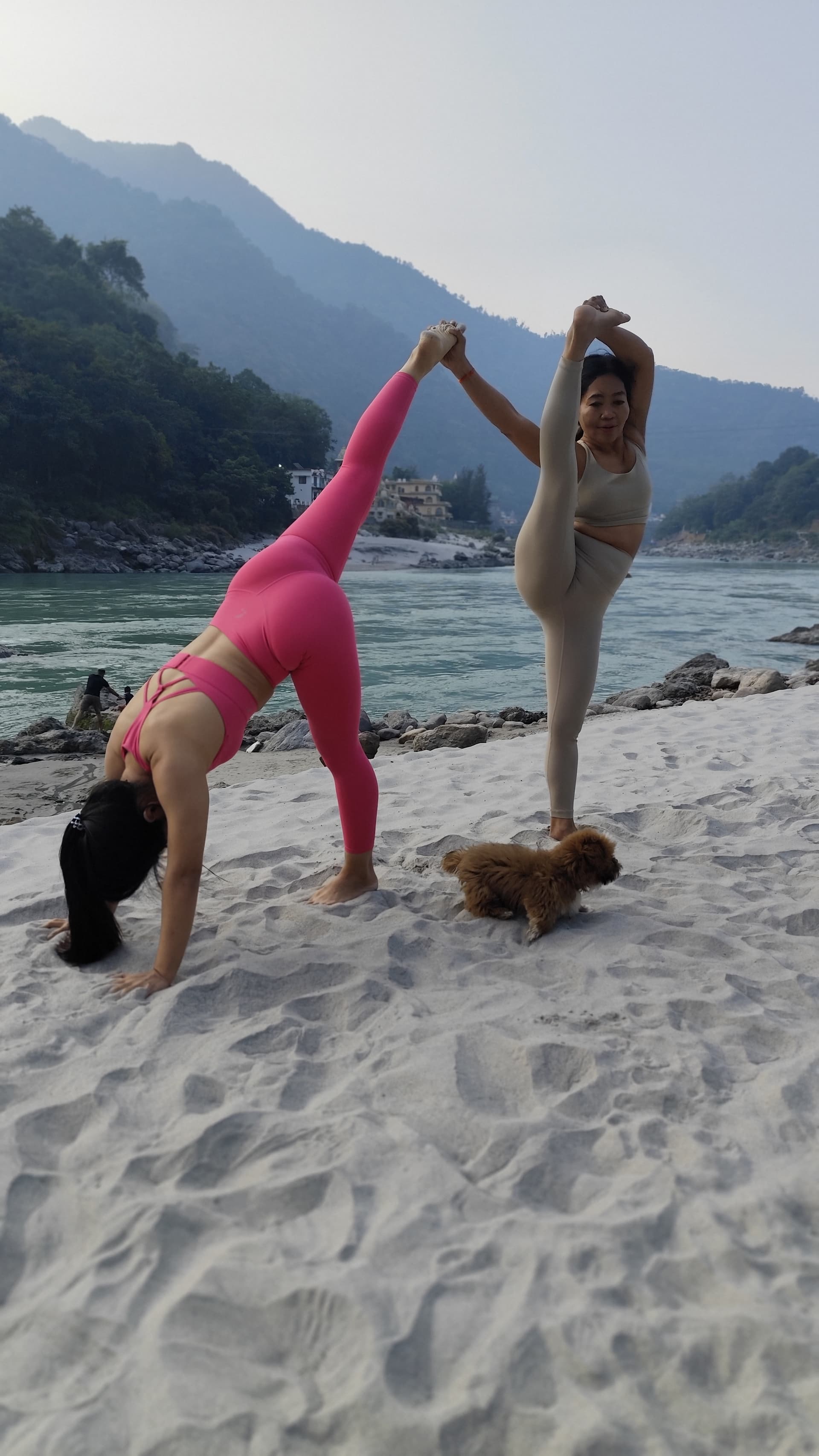
A mantra is a sound, word or phrase repeated to focus and steady the mind. Far from being mere superstition, mantra repetition has measurable effects — it slows the breath, calms the nervous system and quiets mental chatter. This guide explains what mantras are, the science behind why chanting works, and how to start a simple, sustainable mantra practice of your own. The practical guidance below is drawn from over a decade of training students at Swaastik Yog School in Rishikesh.
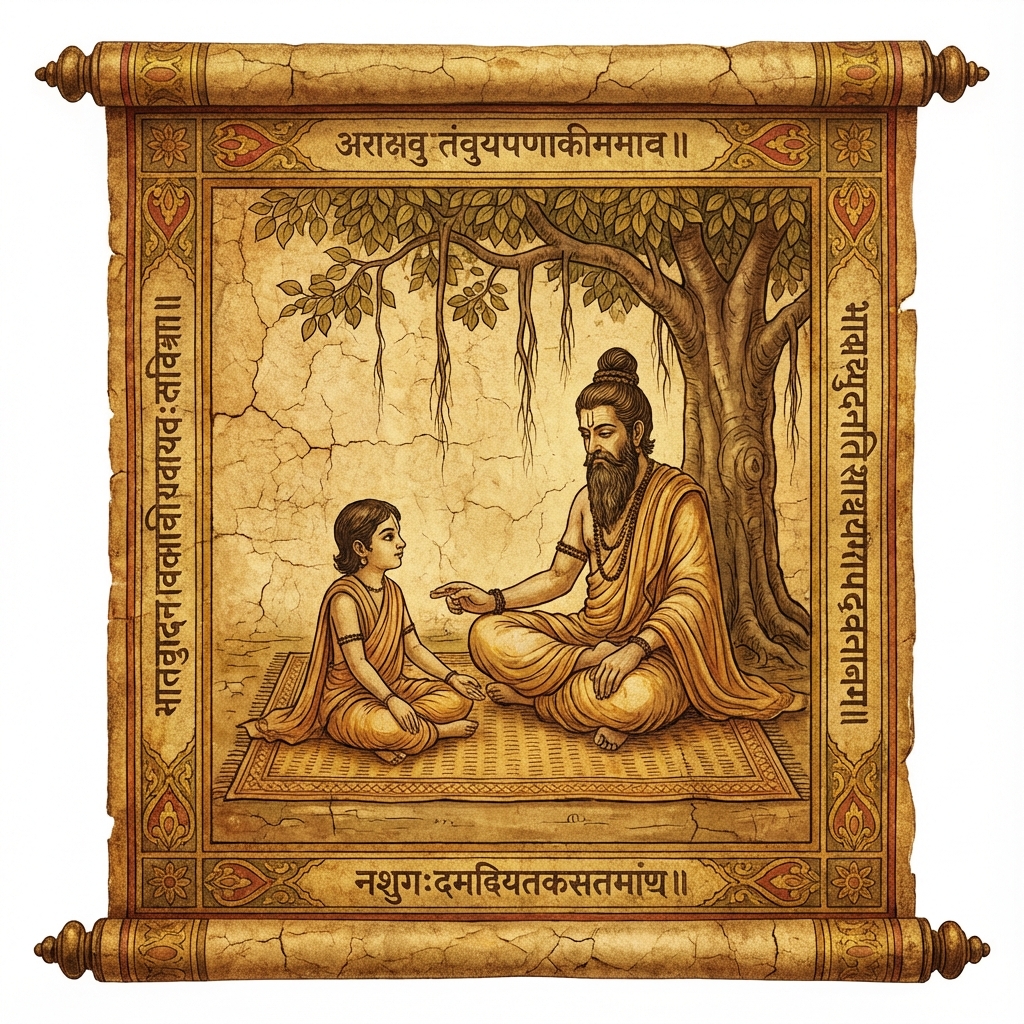
The Cultural Side of Yoga
- Yoga is embedded in a long living tradition of festivals, mantra, and ritual
- Mantras are vibrational tools, not just words
- Festivals like Maha Shivaratri and International Yoga Day mark turning points in the year
- Engaging with culture deepens practice — it does not replace it
- Many practitioners begin with asana and grow into culture over time
How to Engage with Yoga Culture Respectfully
- Learn the meaning behind one mantra before chanting it daily
- Attend a festival or kirtan in person if you can
- Read about the history, not just the practices
- Respect Hindu cultural roots without appropriating them
- Find a teacher who can guide you on what is core and what is optional
Going Deeper
If this resonates and you want to take the next step, our 200-hour Yoga Teacher Training in Rishikesh covers understanding the power of mantras and the science behind them in much greater depth, with senior Indian teachers and a small batch size. For shorter immersions, see our yoga retreats page.
Frequently Asked Questions
Do I need prior experience to engage with this practice?
No. Most students begin with no prior yoga background. A genuine beginner mindset is far more valuable than physical experience — every teacher starts where you are now.
How long until I see results?
For most yoga practices, noticeable changes appear in 2-4 weeks of consistent daily practice (even 15 minutes). Deeper changes — flexibility, strength, mental clarity — accumulate over months and years.
Take the Next Step
Train with senior Indian teachers in Rishikesh, the world capital of yoga.
View Teacher Training See Retreats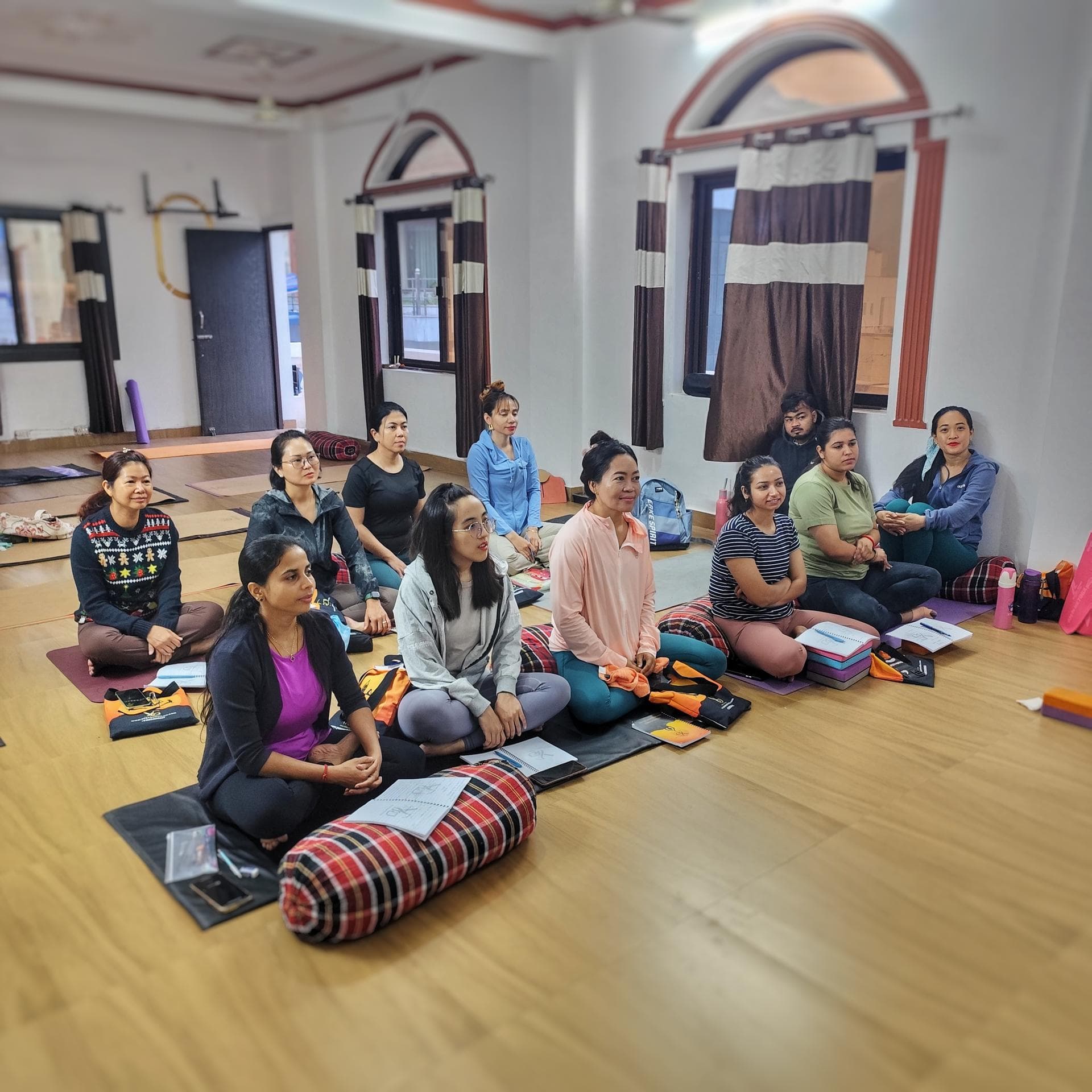
.JPG&w=1920&q=75)