
Explore the fascinating history of yoga, tracing its origins, evolution, and cultural significance. Discover how yoga has transformed through centuries. The practical guidance below is drawn from over a decade of training students at Swaastik Yog School in Rishikesh.
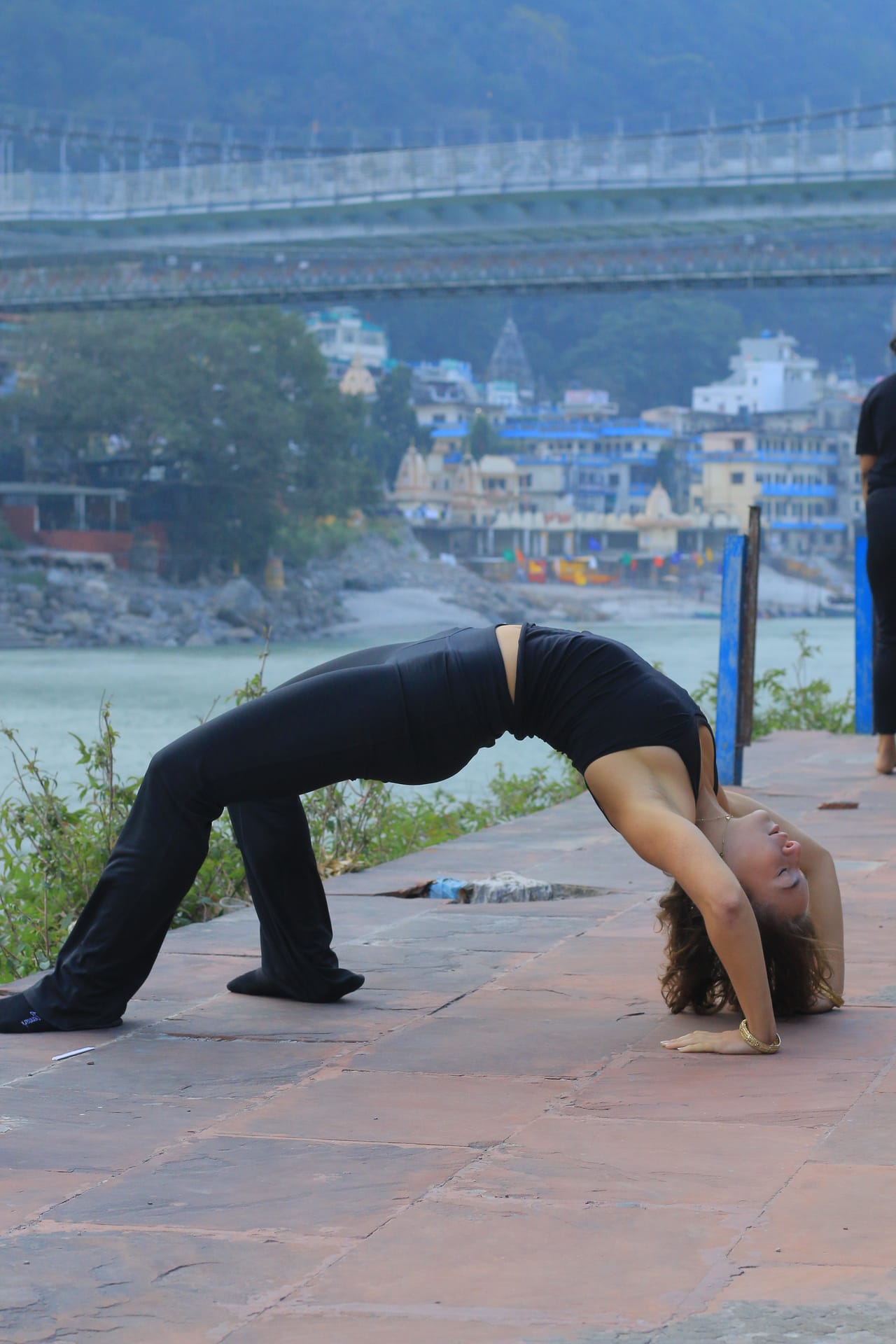
The Roots of This Practice
- Yoga has a 5,000+ year documented history with multiple lineages
- Classical texts include the Yoga Sutras, Hatha Yoga Pradipika, and Bhagavad Gita
- Different schools emphasise different limbs (asana, pranayama, meditation, devotion)
- Modern "yoga" is mostly a 20th-century revival rooted in older tradition
- Studying philosophy deepens every other dimension of practice
How to Study Yoga Philosophy Practically
- Read one classical text slowly rather than many quickly
- Find a teacher who reads Sanskrit and can explain commentaries
- Apply one teaching at a time to your life — not theory for its own sake
- Combine reading with daily contemplation or journaling
- Discuss with a study partner or community for accountability
Going Deeper
If this resonates and you want to take the next step, our 200-hour Yoga Teacher Training in Rishikesh covers the history of yoga from ancient india to modern practice in much greater depth, with senior Indian teachers and a small batch size. For shorter immersions, see our yoga retreats page.
Frequently Asked Questions
Do I need prior experience to engage with this practice?
No. Most students begin with no prior yoga background. A genuine beginner mindset is far more valuable than physical experience — every teacher starts where you are now.
How long until I see results?
For most yoga practices, noticeable changes appear in 2-4 weeks of consistent daily practice (even 15 minutes). Deeper changes — flexibility, strength, mental clarity — accumulate over months and years.
Take the Next Step
Train with senior Indian teachers in Rishikesh, the world capital of yoga.
View Teacher Training See Retreats
.JPG&w=1920&q=75)