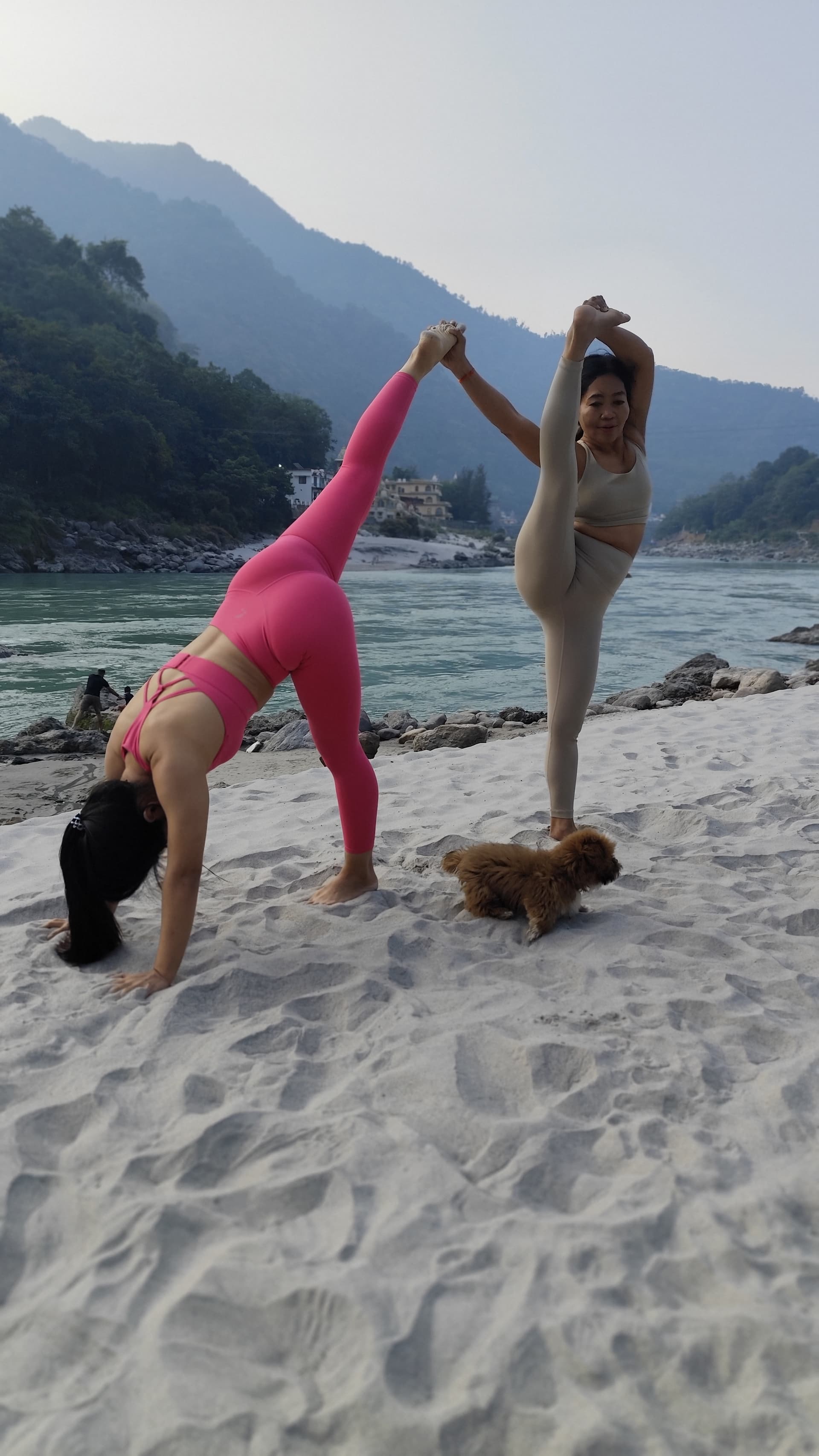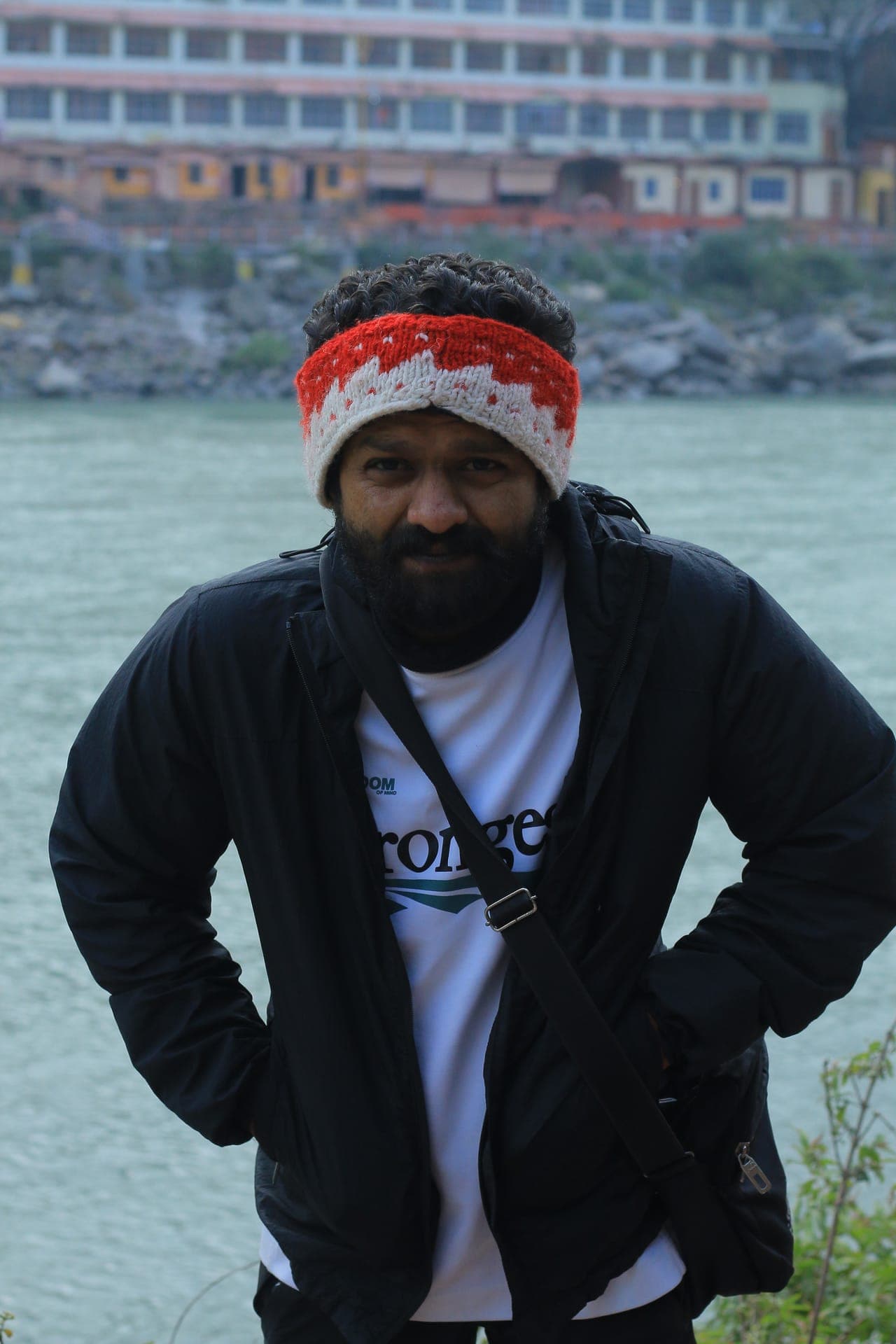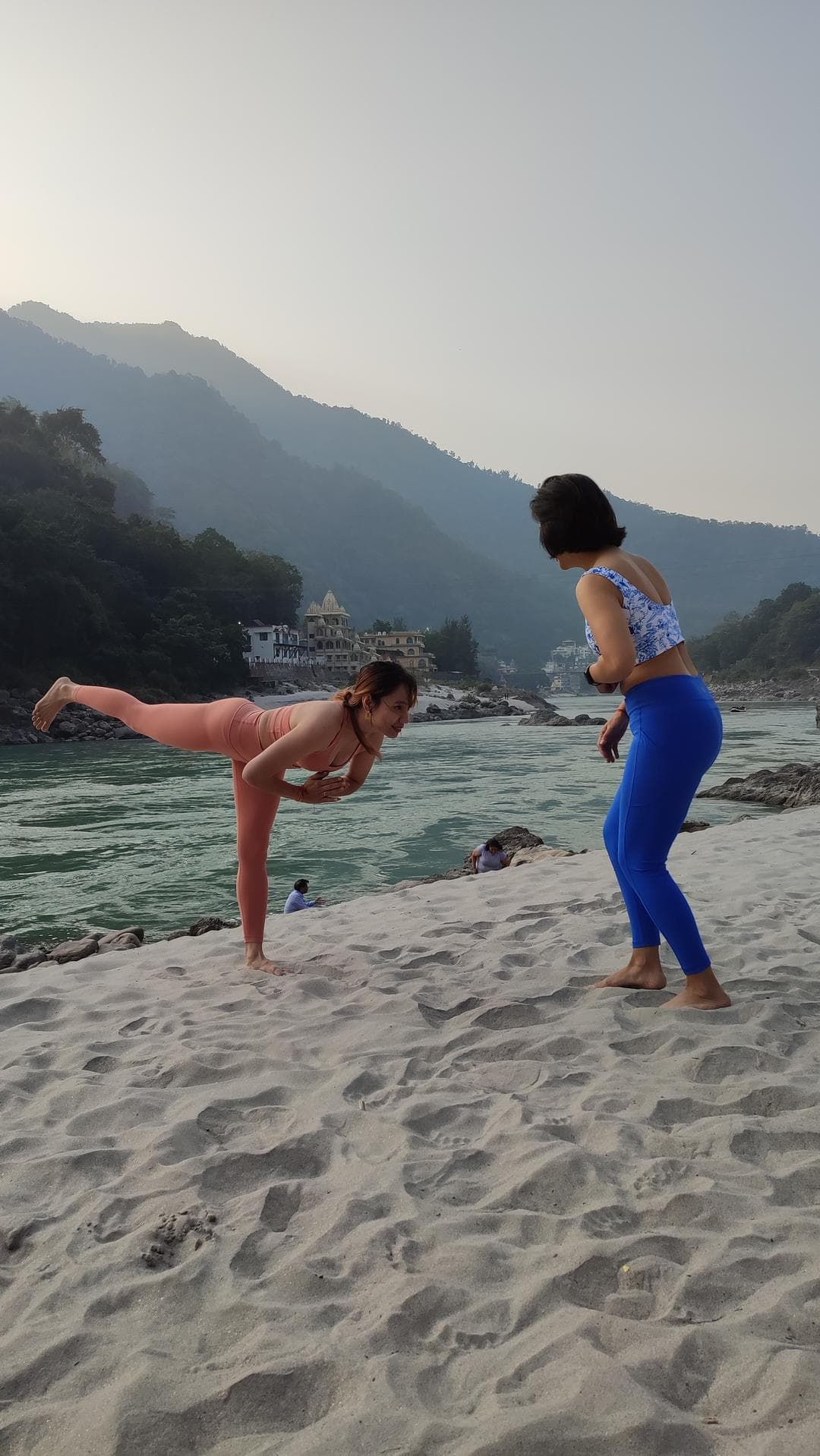
Dharamkot is a small mountain hamlet in the Dhauladhar range of Himachal Pradesh, perched 2,100 metres above sea level just a 30-minute walk above McLeod Ganj and the residence-in-exile of the Dalai Lama. For the last decade it has quietly become one of India's most popular alternatives to Rishikesh for yoga, meditation, and long-stay travellers — a quieter forest setting, cooler weather, and a deep Tibetan Buddhist culture layered over the yogic tradition. This guide explains why Dharamkot has become a serious yoga destination, what to expect there, and how it compares to Rishikesh.
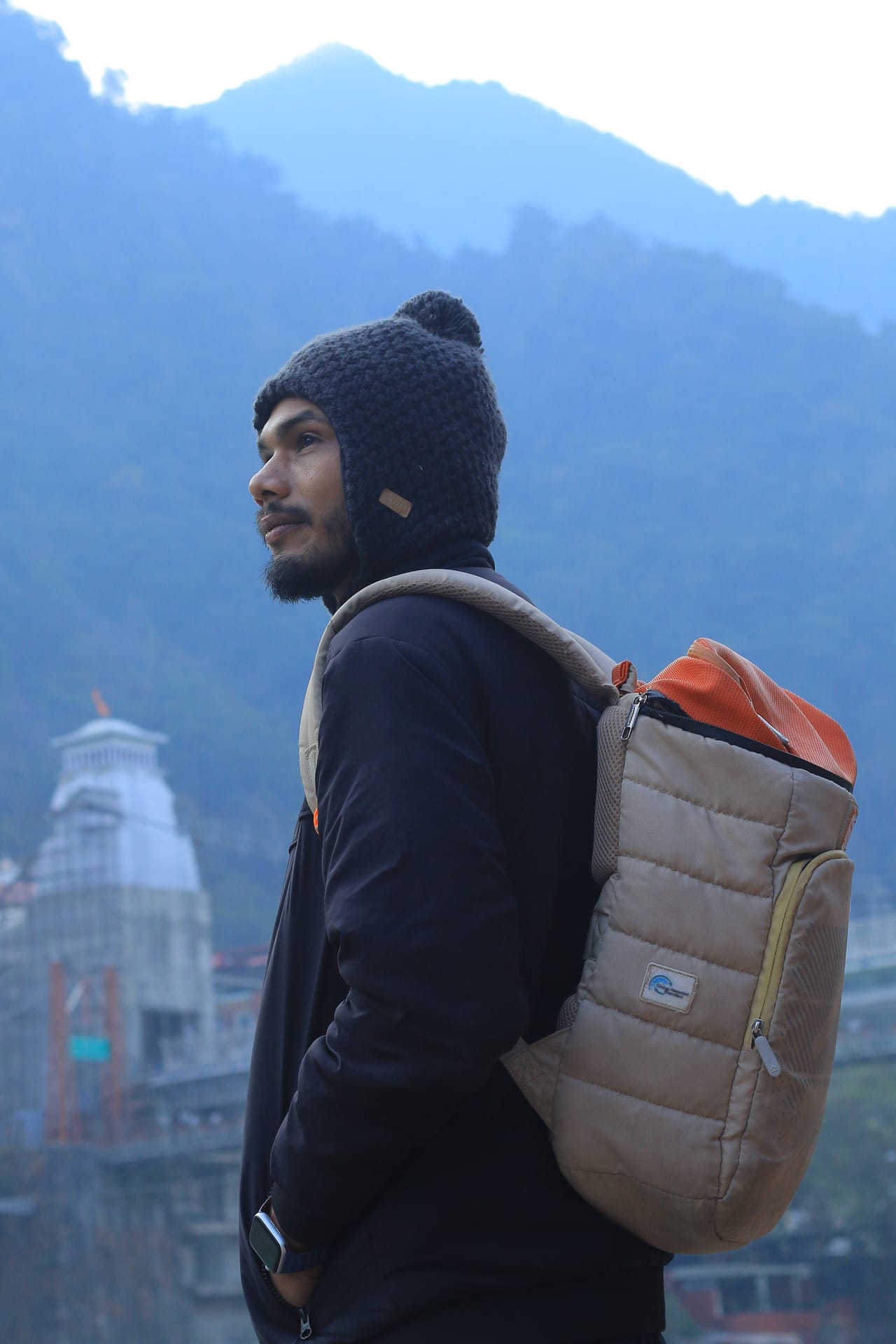
Why Dharamkot Has Become a Yoga Destination
- Cool mountain climate. Summer temperatures of 18-25°C make Dharamkot ideal for May-October when Rishikesh is hot and humid.
- Forest setting. Cedar and oak forests, mountain trails, waterfalls, and views of the snow-capped Dhauladhar range.
- Tibetan Buddhist culture. Daily meditation, monastic teachings at the Tushita and Vipassana centres, the public teachings of the Dalai Lama, and access to a thousand-year living monastic tradition.
- Quieter than Rishikesh. Dharamkot has perhaps 100-200 beds for visitors at any time, compared to Rishikesh's thousands. Better for solitude and deep practice.
- Strong international community. A floating population of long-stay European, Israeli, and Korean students creates a genuinely international atmosphere.
- Lower cost than Rishikesh. Accommodation, food, and classes are 15-25% cheaper.
What's Available in Dharamkot
Yoga Classes and Retreats
Drop-in yoga classes (₹250-₹500), 5-day to 14-day retreats, and full Yoga Alliance 200-hour TTCs run April through November. Most classes are in the morning and evening with afternoons free for walking or meditation.
Meditation Programmes
Tushita Meditation Centre runs 10-day Buddhist introduction courses several times a year. The Vipassana Meditation Centre runs traditional 10-day silent retreats. Many independent teachers offer shorter formats.
Traditional Tibetan Medicine
The Men-Tsee-Khang in nearby McLeod Ganj offers traditional Tibetan medical consultations and herbal medicines.
Trekking and Nature
Triund (a 9 km moderate trek to a high mountain meadow) is the most famous walk. Dharamkot Waterfall, Bhagsu Falls, and the Galu Devi Temple are all easy half-day walks.
Dharamkot vs Rishikesh — Which Is Right for You?
| Aspect | Rishikesh | Dharamkot |
|---|---|---|
| Setting | River town in foothills | Mountain forest village |
| Climate | Best Oct-Mar; very hot Apr-Jun | Best Apr-Nov; cold and snowy Dec-Feb |
| Crowd size | Large; can be busy | Small; quiet |
| Yoga tradition | Hatha and Ashtanga lineages | Yoga + Tibetan Buddhism |
| Schools / teachers | 200+ schools | 10-15 schools |
| Cost | Moderate | 15-25% lower |
| Best for | Classical yoga immersion, TTC variety | Solitude, meditation, longer stays |
| Travel time from Delhi | 5-6 hours | 10-12 hours (or 1hr flight + 1hr drive) |
How to Get to Dharamkot
- Flight — Delhi (DEL) to Dharamshala (DHM), 1 hour. Then a 30-minute taxi to Dharamkot. Roughly ₹4,500-₹8,000 for the flight, ₹600-₹900 for the taxi.
- Overnight Volvo bus — Delhi (Majnu ka Tila or ISBT Kashmiri Gate) to McLeod Ganj. 11-12 hours. ₹1,200-₹2,200. The most popular budget option.
- Train + taxi — Delhi to Pathankot (overnight train), then 3-hour shared taxi to Dharamkot. ₹1,800-₹3,500 total.
- Private taxi from Delhi — 12 hours, ₹10,000-₹14,000. Suits families or those with heavy luggage.
Best Time to Visit
- April-June — perfect mountain weather, 18-25°C, lush green
- September-November — cool, clear skies, snowfall begins on the high peaks late November
- December-February — cold (often near zero at night), snow possible, most yoga schools shut for the season
- July-August — monsoon, leeches on trails, regular landslides — least suitable for yoga
Swaastik Yog School in Dharamkot
We operate a second campus in Dharamkot from April through November, running the same syllabus as our Rishikesh school but in a forest setting. 5-day, 7-day, and 14-day retreats are available, plus a full 200-hour TTC. The Dharamkot campus has 8 private rooms (so groups stay small), an open-air shala overlooking the mountains, and an on-site sattvic kitchen. Lead by Mayuri Shewale and rotating senior teachers from our Rishikesh team.
Frequently Asked Questions
Is Dharamkot safe for solo female travellers?
Yes — Dharamkot is one of the safest destinations in India for solo female travellers, partly because of the resident monastic community and the strong international long-stay culture.
What is the difference between Dharamkot and Bhagsu?
Bhagsu is the village just below Dharamkot, closer to McLeod Ganj. It's busier and more touristy. Dharamkot is the quieter forest hamlet a 15-minute walk above. Most yoga centres are in Dharamkot proper.
Can I learn Tibetan meditation alongside yoga in Dharamkot?
Yes — most yoga retreats in Dharamkot integrate at least one session at Tushita or one teaching from a resident lama. Independent meditation courses are also easily accessible.
Visit Our Dharamkot Campus
Forest yoga, Tibetan meditation, mountain views. April to November.
View Dharamkot Retreats Ask About Dates
.JPG&w=1920&q=75)